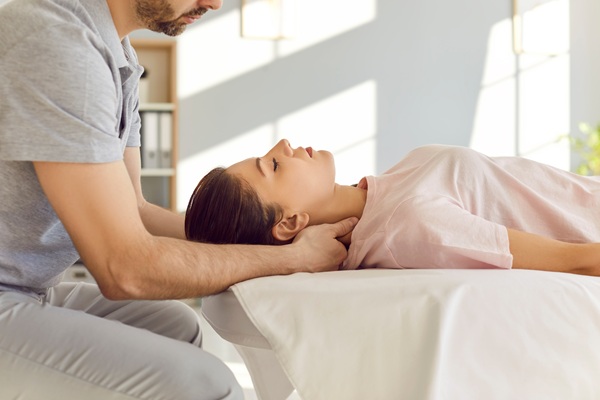
Manual therapy is an advanced form of physical therapy techniques that focuses on hands-on techniques to address musculoskeletal pain, stiffness, and limited mobility. This approach differs from treatments that primarily rely on pain medications or surgical procedures. Manual therapy focuses on working directly with your physical therapist to help you regain function and mobility in the affected area.
Understanding manual therapy
The goal of manual therapy is the use of skilled hand movements to mobilize joints, manipulate muscles and ligaments, and encourage the body's natural healing process. Physical therapists often use this technique in a patient's treatment plan. While pain reduction is the primary goal of manual therapy, these techniques offer several benefits. These hands-on movements can:
- Facilitate tissue repair
- Improve range of motion
- Increase tissue extensibility
- Manipulate and mobilize soft tissues and joints
- Alleviate restriction, swelling, and inflammation
Conditions addressed with manual therapy
Physical therapists use manual therapy for a wide range of conditions. Some of the most common include back and neck pain, sports injuries, and arthritis-related joint stiffness. By addressing both the symptoms and underlying issues, manual therapy can contribute to lasting improvements in movement and comfort.
Common techniques used in manual therapy
Several techniques fall under the umbrella of manual therapy. Each approach is chosen based on the individual's condition and treatment goals, ensuring that therapy is tailored to be effective. Some of the most common techniques include:
Joint mobilization and manipulation
Physical therapists use the joint mobilization technique to loosen restricted joints to enhance mobility. During joint mobilization, the therapist applies gentle and forceful movements to the affected joint in specific directions to increase the range of motion and reduce stiffness. This technique is ideal for patients experiencing pain or stiffness in their shoulders, back, ankles, and knees.
Soft tissue mobilization
The goal of soft-tissue mobilization (STM) is to use massage-like methods to relax stiff muscles, release tension, and improve circulation, thereby reducing pain and inflammation. Manual therapy soft-tissue mobilization techniques include:
- Myofascial soft tissue mobilization
- Instrument-assisted soft tissue mobilization
- Strain-counterstrain
- Trigger point therapy
- Cross friction
Active-release therapy
After a soft tissue injury, surgery, or infection, the body heals through inflammation, leading to adhesions, which are thick bands of scar tissue that attach surfaces that are not usually connected. While some symptom-free adhesions may not need treatment, the physical therapist can help break them up using active-release therapy. This technique involves applying deep pressure while the patient moves the injured area, increasing flexibility and range of motion, reducing pain, and improving mobility.
Manual therapy's role in a physical therapy plan
Manual therapy is rarely a stand-alone treatment. Physical therapists often integrate manual therapy with other types of rehabilitation, including therapeutic exercises, stretching, and patient education. This combined approach ensures that short-term relief is supported by long-term strategies to maintain health and prevent recurrence.
Learn more about how we use manual therapy at Orange County Physical Therapy OCPT
Manual therapy provides a personalized, hands-on approach to enhancing mobility, reducing pain, and improving overall physical function. If you are recovering from an injury, managing a chronic health condition, or looking to restore full movement, manual therapy provides a path toward improved quality of life. Call our Newport Beach office today to learn more about how Orange County Physical Therapy OCPT uses manual therapy in our treatment plans.
Request an appointment here: https://ocptclinic.com or call Orange County Physical Therapy OCPT at (949) 299-0297 for an appointment in our Newport Beach office.
Check out what others are saying about our services on Yelp: Read our Yelp reviews.
Related Posts
Marathon training asks the body to handle thousands of repeated steps, increasing the chance that small aches can turn into bigger setbacks. Searching for sports rehab near me can connect runners with physical therapy that supports recovery, movement quality, and safer training progression. Our physical therapist can assess how the body moves, identify areas that…
A strong ACL rehab plan restores knee stability while protecting healing tissue, so athletes and active patients can move with confidence again. In a physical therapy setting, care follows a criterion-based progression that matches swelling, strength, and movement quality. Timelines vary by surgical technique, individual health, and the surgeon's guidelines, so each plan stays personalized.The…
Physical therapy for athletes can help rebuild strength, improve movement, and lower the risk of reinjury after time away from sports. After all, feeling better does not always mean the body is ready for sprinting, jumping, cutting, lifting, or full-contact play. An injury can leave behind weakness, poor balance, or habits that place too much…
Shockwave therapy is becoming a trusted option for athletes recovering from painful injuries. This non-invasive treatment utilizes targeted sound waves to stimulate healing, alleviate discomfort, and restore mobility. For sprains, tendon problems, or stubborn muscle pain, shockwave therapy can help speed recovery and lower the risk of setbacks, making it a valuable tool in modern…