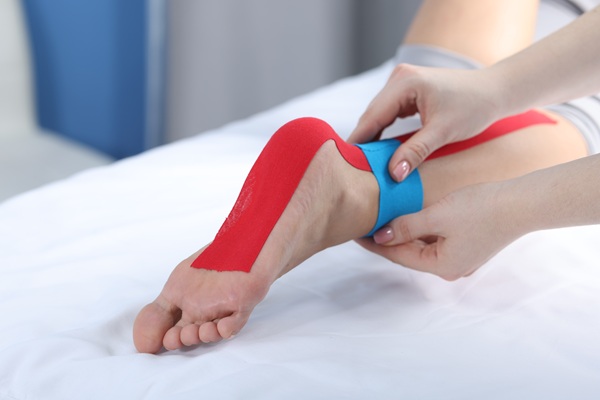
Kinesio taping, also known as kinesiology taping, has been used for decades in sports medicine and physical therapy. When you experience an injury, this technique supports and activates muscles, improves blood flow, and relieves pain. Unlike rigid athletic tape that restricts muscle use, kinesio taping is a versatile, noninvasive treatment designed to work with your body's natural movements. The following sections outline five key benefits associated with this technique.
1. Enhances muscle support without restrictive movement
One of the primary benefits of kinesio taping is its ability to provide muscle support while maintaining a full range of motion. The elastic properties of the tape mimic the flexibility of human skin, allowing the muscles and joints to move naturally. This design makes kinesio taping particularly useful during physical activity. It stabilizes targeted areas without limiting functional movement. As a result, amateur and professional athletes alike can continue to improve their athletic performance and participate in their daily activities with reduced pain and inflammation.
2. Promotes postural awareness and joint alignment
Proper application of kinesio taping can assist with postural awareness and joint alignment. When applied to specific muscle groups or joints, the tape provides continuous feedback that encourages correct positioning. Physical therapists often recommend using kinesiology tape in the following areas:
- Back
- Calves
- Elbows
- Hamstrings
- Knees
- Shins
- Shoulders
- Wrists
This sensory cueing can support better movement patterns over time, particularly in rehabilitation or ergonomic correction programs. Increased awareness may reduce strain on overworked muscles and joints during repetitive tasks.
3. Improves blood circulation and the lymphatic system
Physical therapists recommend applying kinesio taping with specific techniques that gently lift the skin. This lifting effect can create additional space between the skin and underlying tissues, potentially improving blood flow and lymphatic drainage. Improved circulation supports the delivery of oxygen and nutrients to injured areas while assisting in the removal of metabolic waste. These effects can help manage swelling and support tissue recovery after physical stress or injury.
4. Reduces pain through sensory stimulation
Another widely recognized benefit of kinesio taping is its role in pain management. The tape interacts with sensory receptors in the skin, which may help reduce pain signals sent to the nervous system. By altering sensory input, kinesio taping can contribute to pain relief without the need for medication. As a result, this technique is a valuable complementary approach for both acute and chronic musculoskeletal conditions.
5. Versatile for multiple conditions
Kinesio taping is valued for its adaptability across a wide range of conditions. It is commonly used in the following situations:
- Physical therapy
- Sports injury management
- Post-surgical rehabilitation
- General musculoskeletal care
- Professions involving physical therapy or repetitive movements
- Professions involving long periods of sitting
The technique can be personalized based on each individual's needs, making it suitable for people of all walks of life. Its noninvasive application and compatibility with other therapies further contribute to its widespread use.
Experience the benefits of kinesio taping today
As a flexible, adaptable approach, kinesio taping remains an important part of physical therapy. When applied correctly under the direction of a physical therapist, it serves as a valuable tool to support your function and overall musculoskeletal health. Call our Newport Beach office to learn more about kinesio taping or to schedule an appointment.
Request an appointment here: https://ocptclinic.com or call Orange County Physical Therapy OCPT at (949) 299-0297 for an appointment in our Newport Beach office.
Check out what others are saying about our services on Yelp: Read our Yelp reviews.
Related Posts
Performance physical therapy bridges rehabilitation and athletic development by treating pain while also improving how the body moves, produces force, and recovers under real-world demands. This approach works well for athletes, active adults, and anyone who wants more than short-term symptom relief. Instead of focusing only on the injured area, a performance-based plan evaluates the…
Sports physical therapy helps athletes return to play safely after injuries or setbacks. With the help of a physical therapist, treatment strives to improve mobility and performance while alleviating pain. These providers also look closely at how the body moves, not just where it hurts. With the right timing and a clear plan, this type…
Manual therapy is an advanced form of physical therapy techniques that focuses on hands-on techniques to address musculoskeletal pain, stiffness, and limited mobility. This approach differs from treatments that primarily rely on pain medications or surgical procedures. Manual therapy focuses on working directly with your physical therapist to help you regain function and mobility in…
Effective pain management from a physical therapist does more than mask symptoms. It reduces inflammation, restores movement, and builds resilience. Many may wonder where to start and which steps truly matter. With guidance from a licensed physical therapist, a clear plan can calm flare-ups and prevent them from returning. Here are a few ideas that…