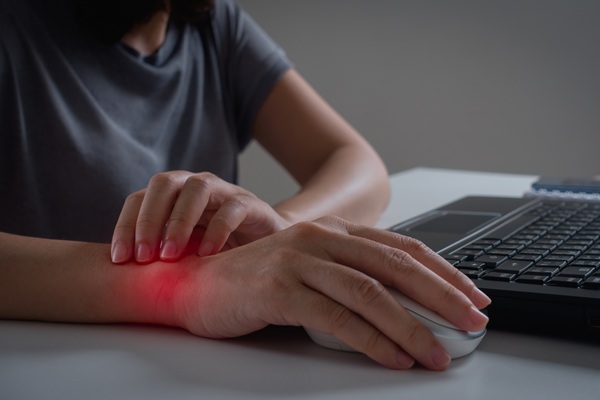
Carpal tunnel syndrome is a common condition that often requires the professional treatment of a physical therapist for rehabilitation and long-term relief. This condition causes numbness, tingling, and weakness in the hand and fingers as the median nerve travels through the carpal tunnel in the wrist. There are effective treatments available for people experiencing discomfort and functional limitations from this syndrome.
Early symptoms of carpal tunnel syndrome
It is essential to detect carpal tunnel syndrome early in order to prevent it from progressing. Initial symptoms typically include tingling or burning sensations and numbness in the thumb, index, and middle fingers. These symptoms may intensify during activities that involve repetitive hand movements or while sleeping. Weakness in the hand, difficulty gripping objects, and muscle atrophy near the base of the thumb can also indicate advanced stages of the condition.
Getting treatment from an experienced physical therapist is the first step in patients managing their symptoms and restoring their hand function. This medical professional will perform a thorough evaluation to identify contributing factors and design a personalized treatment plan. By focusing on each patient's unique needs, the physical therapist ensures that they target the root cause of the carpal tunnel syndrome rather than simply addressing the symptoms with pain medication.
Non-surgical treatment options
Many individuals benefit from conservative, non-surgical approaches, especially during the early stages of carpal tunnel syndrome. Physical therapy can reduce inflammation, relieve nerve compression, and improve wrist and hand mobility. A physical therapist may utilize a variety of interventions, such as:
- Manual therapy: This hands-on technique improves soft tissue function and mobility through joint mobilization and myofascial release, helping alleviate pain and restore movement.
- Nerve gliding exercises: These exercises help the median nerve move more freely through the carpal tunnel, reducing tension and minimizing symptoms.
- Education about ergonomics: Patients learn to adjust their workstations to minimize wrist strain, including keyboard height, proper chair support, and tools that reduce repetitive motion.
- Modifying certain activities: The physical therapist may recommend certain activities, such as switching hands or taking regular breaks, to reduce repetitive stress and lessen strain on the hand and wrist.
Wrist splinting is another common conservative treatment. Wearing a splint, particularly at night, helps keep the wrist in a neutral position, which reduces pressure on the median nerve. Additionally, avoiding repetitive tasks or modifying hand positioning during activities can alleviate symptoms and prevent further medial nerve irritation.
When surgical intervention is necessary
If conservative treatments do not work for severe or ongoing cases, doctors may recommend surgery. Carpal tunnel release surgery involves cutting the ligament that forms the roof of the carpal tunnel. This helps relieve pressure on the median nerve. After surgery, physical therapy can ensure optimal recovery. A physical therapist will work with patients and give them exercises to rebuild strength, flexibility, and function in the hand and wrist.
Learn more about Orange County Physical Therapy OCPT's treatment options
Effective treatment for carpal tunnel syndrome requires a comprehensive approach tailored to the severity of your symptoms and lifestyle. The Orange County Physical Therapy OCPT team is here to answer your questions about our treatment options. Call our Newport Beach office to learn more or to schedule a consultation.
Request an appointment here: https://ocptclinic.com or call Orange County Physical Therapy OCPT at (949) 299-0297 for an appointment in our Newport Beach office.
Check out what others are saying about our services on Yelp: Carpal Tunnel in Newport Beach, CA.
Related Posts
Kinesio taping, also known as kinesiology taping, has been used for decades in sports medicine and physical therapy. When you experience an injury, this technique supports and activates muscles, improves blood flow, and relieves pain. Unlike rigid athletic tape that restricts muscle use, kinesio taping is a versatile, noninvasive treatment designed to work with your…
Performance physical therapy bridges rehabilitation and athletic development by treating pain while also improving how the body moves, produces force, and recovers under real-world demands. This approach works well for athletes, active adults, and anyone who wants more than short-term symptom relief. Instead of focusing only on the injured area, a performance-based plan evaluates the…
Sports physical therapy helps athletes return to play safely after injuries or setbacks. With the help of a physical therapist, treatment strives to improve mobility and performance while alleviating pain. These providers also look closely at how the body moves, not just where it hurts. With the right timing and a clear plan, this type…
Manual therapy is an advanced form of physical therapy techniques that focuses on hands-on techniques to address musculoskeletal pain, stiffness, and limited mobility. This approach differs from treatments that primarily rely on pain medications or surgical procedures. Manual therapy focuses on working directly with your physical therapist to help you regain function and mobility in…