What Is Stretch Lab/Therapy?
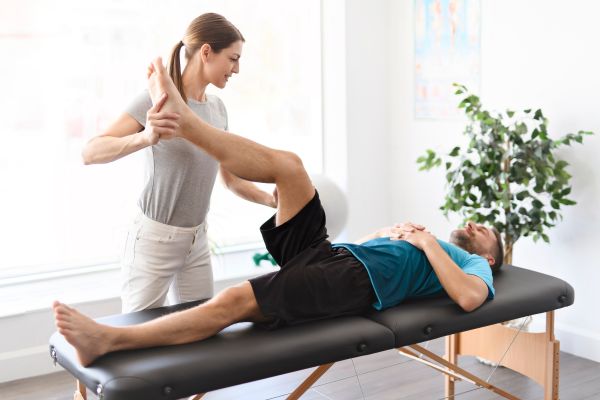
If your body feels tight or restricted, you may benefit from Stretch Lab/Therapy with a physical therapist. This professional approach to physical wellness moves past simple flexibility exercises. Rather, it is a one-on-one, hands-on treatment designed to restore mobility, alleviate discomfort, and help you move more easily. Here are the basics you should know about Stretch Lab/Therapy before scheduling a consultation.
The foundation of Stretch Lab/Therapy
Many people attempt to manage muscle tightness on their own. However, self-directed stretching falls short because the body naturally resists deep tension. When a physical therapist facilitates the movement through assisted stretching, the patient can fully relax the targeted muscles. This relaxation prevents "muscle guarding," a common reflex that limits a person's range of motion during solo exercise.
Stretch Lab/Therapy is grounded in evidence-based physical therapy principles. During an initial evaluation, the physical therapist assesses the patient's range of motion, muscle tightness, neuromuscular control, and any underlying orthopedic or neurological concerns. This comprehensive analysis guides the development of a targeted stretching protocol.
Because the therapist applies the stretch, muscle guarding is reduced, and alignment is carefully maintained. The therapist can also monitor tissue response in real time, adjusting intensity and duration to optimize results while minimizing risk. In addition to passive stretching, sessions may incorporate proprioceptive neuromuscular facilitation techniques that combine stretching with muscle activation to improve flexibility, strength, and coordination.
Conditions that benefit from Stretch Lab/Therapy
Stretch Lab/Therapy can support a wide range of musculoskeletal conditions. Professional stretching is often recommended for the following conditions:
- Chronic lower back stiffness
- Limited shoulder mobility
- Tight hip flexors
- Rebounding from sports-related fatigue
- Age-related joint stiffness
- Neuromuscular tension
By addressing these issues under professional supervision, individuals can prevent acute muscle tightness from evolving into a chronic injury.
The benefits of improved flexibility
Improving the flexibility of the muscles and tendons has a ripple effect on the patient's overall health. When the body is no longer fighting against restrictions and tightness, it can lead to the following improvements:
- Significant reduction in daily aches
- Improved blood circulation
- Better balance and coordination
- Boosted athletic performance
- Increased energy levels
- Higher quality of sleep
These functional gains allow patients to return to the activities they love without the constant fear of a flare-up or muscle strain.
What to expect during a Stretch Lab/Therapy session
A Stretch Lab/Therapy session begins with a brief reassessment to identify changes since the previous visit. The physical therapist then guides the patient through a sequence of targeted stretches. Each stretch is performed with careful attention to alignment, breathing, and tissue response.
The therapist may focus on major muscle groups, including the hamstrings, hip flexors, quadriceps, calves, and shoulders. They apply the techniques gradually to encourage safe tissue extension. Sessions typically last between 30 and 60 minutes, depending on the patient's unique treatment plan.
Start your journey to better movement
If you are tired of your mobility feeling restrictive, it is time to experience a professional approach to flexibility. Our team is ready to help you move and feel better in your everyday life. Call our Newport Beach office today to schedule a consultation. Discover how much better your life can be when you move without limits.
Request an appointment here: https://ocptclinic.com or call Orange County Physical Therapy OCPT at (949) 299-0297 for an appointment in our Newport Beach office.
Check out what others are saying about our services on Yelp: Read our Yelp reviews.
Related Posts
Physical therapy for athletes can help rebuild strength, improve movement, and lower the risk of reinjury after time away from sports. After all, feeling better does not always mean the body is ready for sprinting, jumping, cutting, lifting, or full-contact play. An injury can leave behind weakness, poor balance, or habits that place too much…
Shockwave therapy is becoming a trusted option for athletes recovering from painful injuries. This non-invasive treatment utilizes targeted sound waves to stimulate healing, alleviate discomfort, and restore mobility. For sprains, tendon problems, or stubborn muscle pain, shockwave therapy can help speed recovery and lower the risk of setbacks, making it a valuable tool in modern…
If you are searching for a convenient way to recover from an injury or surgery, mobile physical therapy in the Newport Beach area offers a solution. This medical care brings professional rehabilitation directly to your home. Here are five benefits of mobile physical therapy to keep in mind.Traditional outpatient physical therapy visits can require individuals…
Rotator cuff rehab can help individuals reclaim shoulder and arm mobility. The shoulder joint is a ball-and-socket joint that relies on a small group of muscles to keep it centered. When those muscles are weak or irritated, simple things such as reaching into a cupboard or sleeping on your side can feel nearly impossible. Whether…